

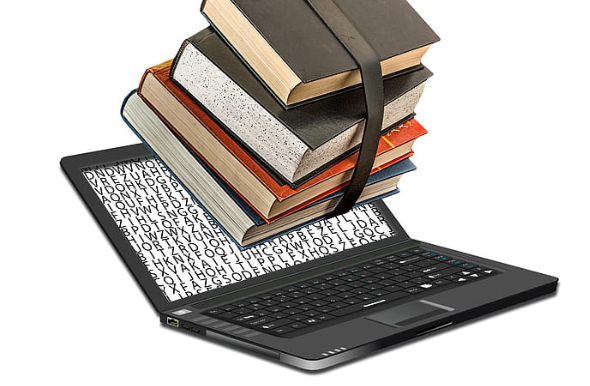








In today’s digital age, many high school students spend hours reading on screens, completing online assignments, and attending virtual classes. While technology offers convenience, research suggests that students often retain and understand information better when working with traditional paper materials. The reasons behind this are both cognitive and practical (The Guardian, 2024).
One key factor is reduced distractions. Online learning environments can be filled with pop-up notifications, social media, and multitasking opportunities that pull attention away from studying. Paper, on the other hand, provides a focused space where students can read, highlight, and annotate without interruption. This focused engagement helps students process information more deeply (EdWeek, 2023).
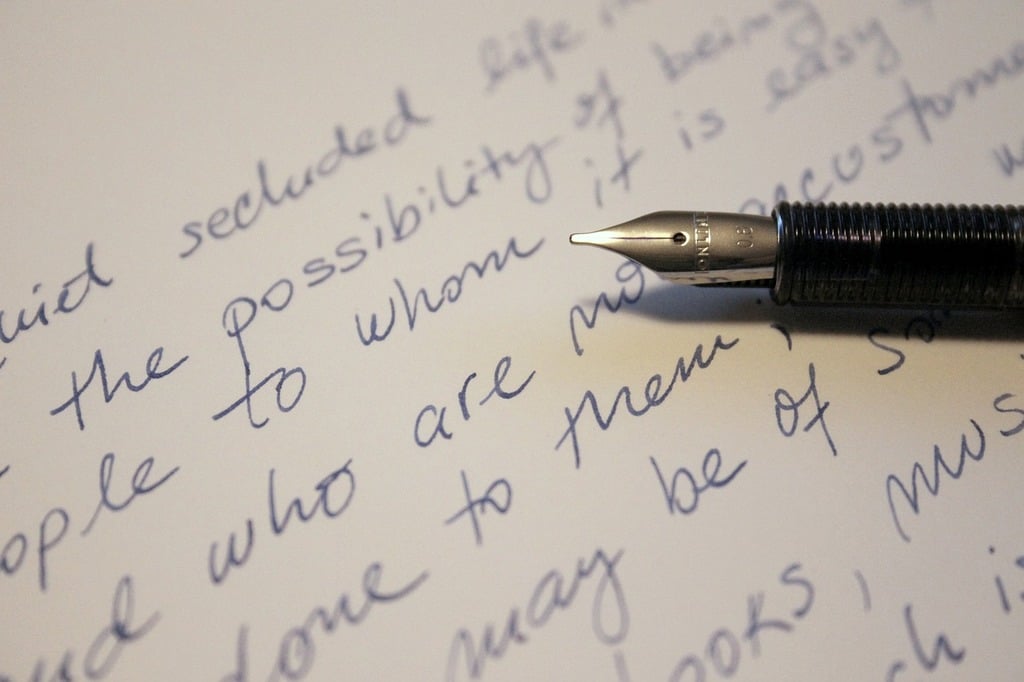
Another reason is the tactile experience of interacting with physical materials. Writing notes by hand, underlining key ideas, and flipping through pages engages the brain differently than scrolling through a screen. Studies have shown that the physical act of writing can improve memory and understanding (Scientific American, 2018). The layout of textbooks, diagrams, and printed worksheets allows students to create mental maps of the content, which helps with recalling information later (EdSource, 2023).
Comprehension and retention are also stronger with paper. Online reading often encourages skimming rather than deep reading. Students tend to scroll quickly, missing important details or failing to connect ideas. Printed materials encourage a slower, more deliberate pace, allowing readers to process complex concepts and make meaningful connections (Phys.org, 2024).
Additionally, paper materials are often easier on the eyes and reduce cognitive fatigue. Extended screen time can cause eye strain and mental fatigue, making it harder to focus and absorb information. Paper reading avoids these physical and mental barriers, allowing students to maintain concentration for longer periods (GradePower Learning, 2023).
While digital tools are valuable for research and collaboration, combining them with traditional paper-based study methods can optimize learning. High school students who take notes by hand, read printed textbooks, and complete paper assignments often perform better on tests, retain knowledge longer, and develop stronger study habits (Turning Life On, 2023).
In conclusion, despite the rise of online education, paper remains a powerful learning tool. Its ability to minimize distractions, engage the brain physically, enhance comprehension, and reduce fatigue makes it an effective medium for high school students striving to absorb and retain information.
![Victoria Snyder's "One Nation Under God" [left]
Nora Pollock's "Freedom on Wheels" [right]](https://mcstinger.net/wp-content/uploads/2026/01/Untitled-design-6-1200x498.png)