


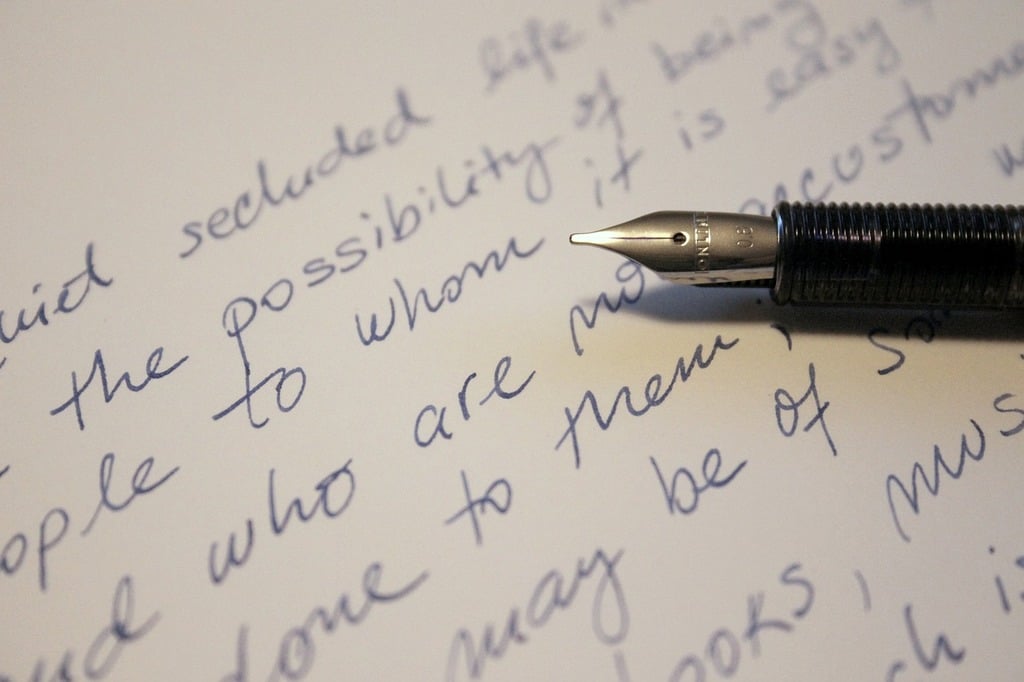
“We don’t read and write poetry because it’s cute. We read and write poetry because we are members of the human race. And the human race is filled with passion… Poetry, beauty, romance, love, these are what we stay alive for. ” ~Robin Williams
We are in a world that often prioritizes test scores and technical skills, but the arts remain a vital force in education. The arts fuel creativity, strengthen critical thinking, and help students find their voice in a quickly changing world. However, some schools and higher education systems have begun the process of cutting the arts, and many are beginning to follow their lead, posing the question: Are the arts truly a necessary part of education?
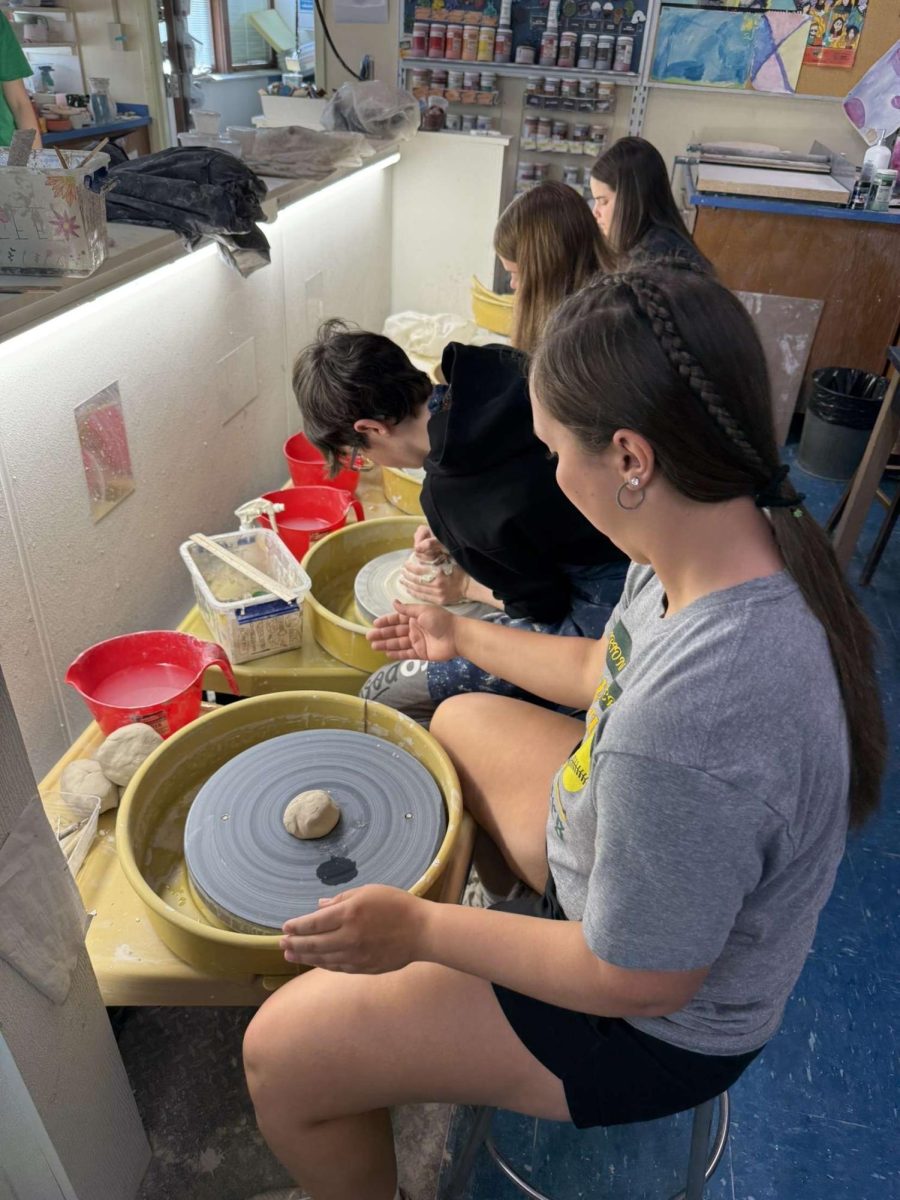
High schools across the nation have relied on standardized testing to assess a student’s academic performance and proficiency in core classes, such as literature, science, and mathematics. The overall performance of students ultimately influences educational funding, which is why schools have become so reliant on scores. Because of this emphasis on standardized testing, schools have prioritized focus on the core subjects to raise scores, unfortunately, often resulting in cuts to arts programs, from music and theatre to painting, dance, drawing, creative writing, sculpture, and pottery.
So why are the arts vital to students? Questions like this often look at the arts from a shallow perspective; however, the effect the arts programs have on students is transformative. The arts programs flourish with creativity and innovation, proving that rather than focusing on the outcome, sometimes we need to focus on the process to reach the outcome. If we limit the process of education, if we limit the amount of mistakes a student can make, and we solely focus on the outcome, we lose the real purpose of education.
In courses focused on the arts, students are also taught critical thinking skills, or the ability to see new, obscure perspectives and analyze potential values displayed, and connect them to real life. The arts inevitably push students to plan their processes, implement strategies to improve/complete their work, and reflect on the results. These are skills that adults use every day in their lives, even if they do not fully realize it. If we do not encourage students to focus and improve their processes to reach their final goal, then we lose the real purpose of education.
The arts also place a significant amount of emphasis on students expressing themselves, often emotionally. In today’s day and age, most teenagers have shifted their focus to mental health, and the arts help students understand how they feel. Throughout history, we’ve seen the arts used as a way to express inner feelings that are difficult for us to say out loud, for example, a painter capturing grief through the eyes of their subject, a songwriter sharing struggles through lyrics, and a playwright showing his inner thoughts and feelings through the characters on stage, the arts are all around us, even if we don’t notice them.
The arts play a crucial role in child and adolescent development; barring students from access to adequate electives and a break from the core subject lessons could negatively influence cognitive development. Rather than limiting the arts programs across the nation, education systems need to re-evaluate the definition of education and make the changes necessary to continue to support students and their vast and unique learning styles.
![Victoria Snyder's "One Nation Under God" [left]
Nora Pollock's "Freedom on Wheels" [right]](https://mcstinger.net/wp-content/uploads/2026/01/Untitled-design-6-1200x498.png)
